Electric Rivers and Shikumen Lanes: The Ultimate Three-Day Shanghai Itinerary
A sharp three-day plan through Shanghai's clashing eras, from the cloud-skimming towers of Lujiazui to quiet Shikumen brick lanes and an escape to the waterways of Zhujiajiao — with verified stop-level hours and tickets.
Published
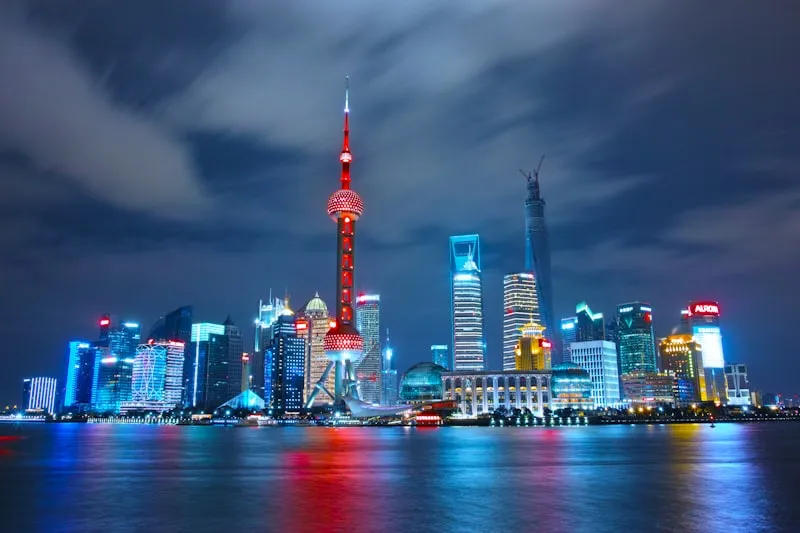
Shanghai does not ease you in. It hits you with a blast of humid air, the rumble of underground trains, and the neon glare of glass towers that pierce the low rainclouds. But behind the silver facades, a quieter city of charcoal-gray bricks, steaming soup dumplings, and laundry hanging from bamboo poles on neighborhood lanes still beats. This three-day itinerary guides you through both of Shanghai’s worlds without getting lost in the tour-bus crowds.
This three-day Shanghai path pairs Yu Garden and the Bund–Lujiazui skyline face-off, shikumen and French Concession walking, then a Metro Line 17 escape to Zhujiajiao's canals — paced for subway links, not hotel booking. Re-check Yu Garden Monday closures and tower weather the week you travel.
Day 1: Of Imperial Stones and Cloud-Skimmers
Morning: The Quiet of Yu Garden
Start early at 09:00, just as the gates open. Yu Garden (豫园, Yù Yuán) is a Ming Dynasty maze of rocky alcoves, quiet ponds, and curved tile roofs. Midday here is a loud crush of megaphones and tour groups. In the morning, it is a different place. The morning light reflects off green pond water. Fat red koi fish swim lazily under the Nine-Dragon Pool (九龙池, Jiǔlóng Chí). You can hear the drip of water from damp stone walls. Official visit info at yugarden.com.cn (checked October 2026): open 09:00–16:30, last entry 16:00; closed Mondays except national holidays; adult tickets ¥40 peak (1 Apr–30 Jun, 1 Sep–30 Nov) and ¥30 off-peak (1 Jul–31 Aug, 1 Dec–31 Mar). Buy at North/South Gate windows or the 上海豫园 WeChat mini-program. Take Metro Line 10 or 14 to Yuyuan Station (豫园站).
Afternoon: Up the Giant’s Spine
From Yu Garden, take the subway to East Nanjing Road Station (南京东路站, Nánjīng Dōnglù Zhàn) and hop on Metro Line 2 to cross the muddy Huangpu River (黄浦江, Huángpǔ Jiāng) to Lujiazui (陆家嘴, Lùjiāzuǐ). Here, three supertall skyscrapers form a giant tripod. Head inside the tallest of them all: the spiral-shaped Shanghai Tower (上海中心大厦, Shànghǎi Zhōngxīn Dàshà). The high-speed elevator shoots you to the 118th floor in seconds. Official observatory overview: en.shanghaitower.com (checked October 2026); standard adult tickets widely listed about ¥180; hours widely listed 08:30–22:00, last entry about 21:30 — confirm at B1 and on named OTAs (Ctrip, Meituan, and others listed on the Chinese official page). Clear weather is non-negotiable. Soft fact: SWFC’s upper floors are marketed as Sky Arena event space on the official site — do not assume a walk-up observatory ticket; use Shanghai Tower for a confirmed deck.
Evening: The Golden Bund
As dusk falls, take the subway back across the river or ride the ferry. Walk the wide stone promenade of The Bund (外滩, Wàitān) — free public waterfront (english.shanghai.gov.cn, checked October 2026). At dusk, the historic European-style granite banks light up in a warm, amber gold, while the neon towers of Pudong flare across the dark water. It is crowded, but the wind off the river is cool, and the sight of these two centuries facing off is the definitive Shanghai view. Metro hub: East Nanjing Road (Lines 2 and 10).
Day 2: Shikumen Bricks and Plane-Tree Shadows
Morning: The Lane Houses of Xintiandi
Wander into Xintiandi (新天地, Xīntiāndì). This neighborhood preserves the classic Shikumen (石库门, Shíkùmén) style—stone-gate houses made of grey and red brick. Walk the narrow alleys, but skip the high-priced Western-style cafes. Walk three blocks south to Mengzi Road (蒙自路, Měngzǐ Lù). Here, old men sit on low stools smoking cigarettes, and the smell of toasted sesame and hot lard fills the air. Outdoor lanes are free; metro Xintiandi Station (Lines 10/13).
Afternoon: The French Concession Flâneur
Spend the afternoon walking the former French Concession (法租界, Fǎ Zūjiè). The streets here—like Wukang Road (武康路, Wǔkāng Lù) and Fuxing Road (复兴路, Fùxīng Lù)—are shaded by a thick canopy of London plane trees. The sunlight filters through the green leaves onto old stucco villas and Art Deco apartments. Stop at a local shop for lunch. Order a plate of Shengjian Bao (生煎包, Shēngjiān Bāo)—pan-fried pork dumplings with thick skins and crunchy bottoms. Be careful with the first bite; the hot broth inside will squirt out if you do not nibble a vent hole first. For a dedicated dumpling corridor, Huanghe Road near People’s Square sits a short metro hop away — treat shop hours as same-day windows.
Evening: Jazz and Old Brick
In the evening, seek out a basement bar or small live venue. Shanghai’s jazz roots run deep, back to the 1930s. Avoid the noisy tourist bars on East Nanjing Road. Instead, find a small brick-walled lounge in the former concession, order a local beer, and listen to the saxophones carry through the humid night air.
Day 3: The Canal Escape
Morning: High-Speed to Zhujiajiao
Escape the concrete sprawl. Head to Hongqiao Railway Station (虹桥火车站, Hóngqiáo Huǒchēzhàn) and board Metro Line 17. Ride it west for about 40 minutes to Zhujiajiao Water Town (朱家角古镇, Zhūjiājiǎo Gǔzhèn). Official site: town streets are free; scenic combo for Kezhi Garden, Hexin Garden, and Helong Art Gallery is ¥60; ticketed sites 08:30–17:00 (zhujiajiao.com, checked October 2026). From Zhujiajiao Station Exit 1, walk or take Bus 1510 toward the visitor center.
Afternoon: Gondolas and Willow Trees
Avoid the main commercial street, North Street (北大街, Běi Dà Jiē), which gets packed with day-trippers buying cheap trinkets. Cross the towering Fangsheng Bridge (放生桥, Fàngshēng Qiáo), a five-arch stone span built in 1571. Slip into the quiet back alleys of the southern district. Here, old women wash greens in the canal water and laundry hangs from wooden rafters. Pay for a short ride on a wooden gondola. The boatman uses a single long wooden oar, and the boat sways gently as you pass beneath low brick eaves and drooping willow branches. Boat prices are private vendors — confirm at the pier.
Evening: Riverside Dumplings
Before heading back to the city, sit at a small wooden table right by the water. Order some Zongzi (粽子, Zòngzi)—glutinous rice wrapped in reed leaves and stuffed with fatty pork and salted egg yolk. The rice is sticky and fragrant from the leaves. Watch the red paper lanterns along the canal light up as the sky turns deep blue. Catch Line 17 back toward Hongqiao before the last trains (confirm same-day boards; Hongqiao-bound evenings commonly run into the late 22:00s).
How do you move between these stops?
Metro spine: Line 2 links Hongqiao, People's Square / East Nanjing Road, and Lujiazui; Line 17 is the Zhujiajiao day-trip arm; Lines 10/14 serve Yuyuan. Soft deeper reads by stop: Bund architecture, Pudong skyline, shikumen lanes, Zhujiajiao water town, xiaolongbao corridor. Optional museum mornings — Jewish Refugees Museum Tue–Sun, West Bund venues mostly Monday-closed — can swap into Day 2 if weather kills the tower view.
When should you go — and what must you re-check?
Spring and autumn (March–May, September–November) are the kindest walking seasons. Re-check the week you travel (sources checked October 2026): Yu Garden Monday closure and seasonal ¥30/¥40 tickets (yugarden.com.cn); Shanghai Tower weather and real-name tickets (en.shanghaitower.com); Zhujiajiao combo vs free lanes (zhujiajiao.com/en/ticket); Bund promenade remains free. Confirm each swapped venue's own page before you move the puzzle pieces. For entry-path orientation (visa-free, transit visa-free, or full visa), see the site's Visa hub — always verify on official immigration pages before you fly.
More from Shanghai
- history / 6 min readAn architectural exploration of the Bund's stone facades, tracing the rise of Art Deco banks, the toll of the Custom House bell, and the grand copper-clad lobby of the Peace Hotel — free river promenade, East Nanjing Road metro.
- history / 6 min readA journey through the narrow lanes of Hongkou to the Shanghai Jewish Refugees Museum, exploring how a working-class Chinese neighborhood became an unlikely haven for thousands fleeing Nazi Europe — hours, tickets, Tilanqiao metro.
- food / 6 min readA field guide to the delicate art of eating soup dumplings and the rowdy crunch of pan-fried buns on Shanghai's historic streets — Huanghe Road near People's Square as the area anchor.