A Sanctuary in Hongkou: The Story of the Shanghai Ghetto
A journey through the narrow lanes of Hongkou to the Shanghai Jewish Refugees Museum, exploring how a working-class Chinese neighborhood became an unlikely haven for thousands fleeing Nazi Europe — hours, tickets, Tilanqiao metro.
Published
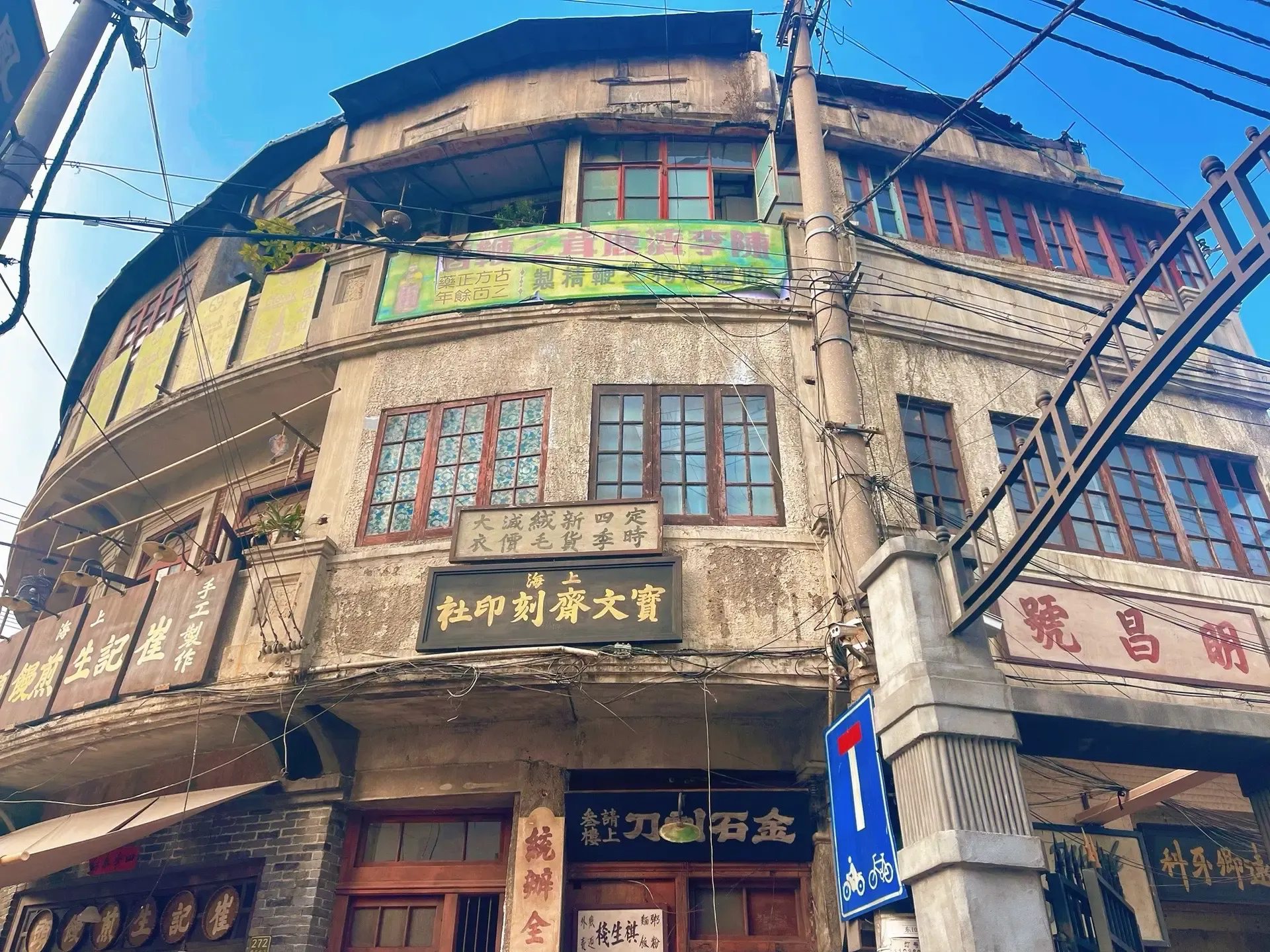
The Shanghai Jewish Refugees Museum (上海犹太难民纪念馆) in Hongkou's Tilanqiao lanes anchors the story of nearly twenty thousand European Jews who found shelter when visas were not required. Visit Ohel Moishe Synagogue Tuesday–Sunday; Metro Line 12 to Tilanqiao is minutes from Changyang Road. Survival shared with Chinese neighbors — not diplomacy alone.
What do you actually see?
The former Ohel Moishe Synagogue (摩西会堂), a 1927 grey-and-red brick building, holds a quiet sanctuary of dark wooden pews and arched windows that smell of dry wood and old plaster. Exhibition halls focus on daily survival in the "Shanghai Ghetto": rusted spectacles, a German-Chinese dictionary with handwritten notes, a sewing machine, a battered upright piano. A bronze memorial wall lists thousands of survivors who later rebuilt lives in San Francisco, Tel Aviv, and Sydney. Outside, low brick longtang still string laundry on bamboo poles.
Why did Hongkou become a sanctuary?
While almost every country closed borders to Jews fleeing Nazi Europe, Shanghai required no visa. Refugees from Germany, Austria, and Poland arrived at Huangpu docks with suitcases and memories of a burning continent. When Japanese occupation forced them into a designated Hongkou sector, they shared cramped quarters with about a hundred thousand poor Shanghainese — typhus risk, thick summers, damp winters, no modern plumbing, morning queues to empty chamber pots (马桶) into communal waste carts.
How did shared misery become co-existence?
Viennese doctors treated Chinese shopkeepers; Shanghainese families taught refugees to light coal stoves. Jewish bakers sold rye bread beside steamed mantou stalls. Children who could not speak each other's languages played marbles in the dirt. On hot nights, Chopin and Viennese waltzes floated from open windows into mahjong chatter and watermelon on stone steps. The objects left behind tell grit more honestly than diplomacy alone.
When should you go, and how long?
March to May and September to November are kinder walking seasons for the surrounding lanes. Plan one to two hours for the museum plus a quiet circuit of Tilanqiao façades.
Hours, tickets, and how to get there?
Shanghai Jewish Refugees Museum at 62 Changyang Road, Hongkou. Official English visit info: shhkjrm.com/en (checked October 2026). Open Tuesday–Sunday 09:00–17:00; no entry after 16:00; closed Mondays (statutory holidays announced separately). Adult ticket ¥20; students ¥10; seniors ¥15; free for children under 1.3 m and eligible disabled visitors — real-name registration with passport or ID. Buy at the window or major OTAs when the museum advises advance purchase for holidays.
Take Metro Line 12 to Tilanqiao Station (提篮桥站), Exit 1; walk east a few minutes on Changyang Road. After the museum, walk surrounding Tilanqiao lanes — including Zhoushan Road (舟山路) opposite — for remaining brick façades and refugee-era plaques. Keep voices low; this is still a lived neighborhood.
Who is this for — and who should skip?
Come for intimate survival history in a working-class district. Skip if you land on a Monday, or if you only want Bund glamour without Hongkou's narrower streets. Soft city contrast: Bund architecture is the treaty-port stone face of a different Shanghai story.
More from Shanghai
- history / 6 min readAn architectural exploration of the Bund's stone facades, tracing the rise of Art Deco banks, the toll of the Custom House bell, and the grand copper-clad lobby of the Peace Hotel — free river promenade, East Nanjing Road metro.
- food / 6 min readA field guide to the delicate art of eating soup dumplings and the rowdy crunch of pan-fried buns on Shanghai's historic streets — Huanghe Road near People's Square as the area anchor.
- food / 6 min readAn exploration of Shanghai's unique Haipai cuisine, tracing the century-old fusion of European techniques and traditional Chinese sweet-savory flavors — French Concession and Huaihai area anchors.