Alleyway Symphonies: The Shikumen Architecture of Shanghai's Lilong
Step inside Shanghai's historic stone-gate lanes to find a quiet world of drying laundry, community taps, and slow-paced neighborhood life hidden beneath the skyscrapers — free lilong walks, Jing'an Villa and Xintiandi.
Published
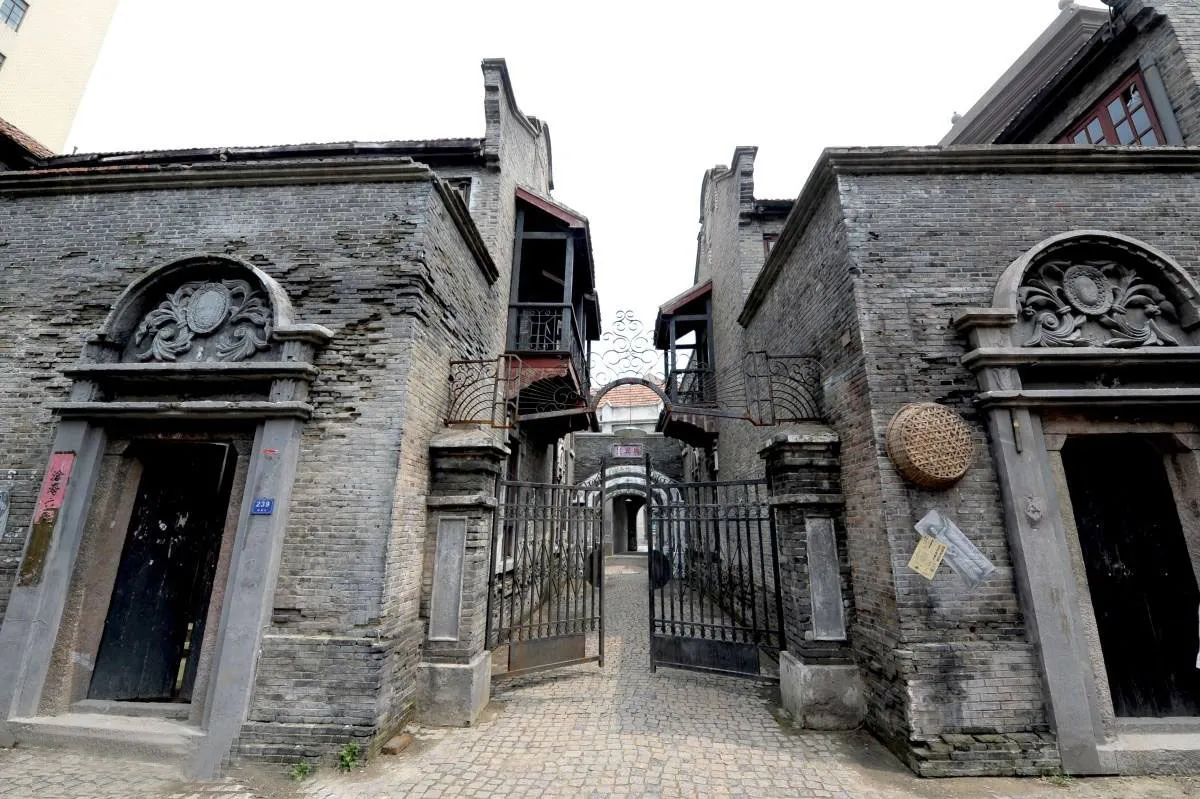
Shanghai's shikumen (石库门) lilong are free residential stone-gate lanes where laundry poles and shared taps still run under skyscraper shadows. Walk living complexes such as Jing'an Villa from West Nanjing Road metro, or the restored Xintiandi façades — keep voices low; these are homes, not theme parks.
What do you actually see in a living lilong?
Heavy black wooden double doors in thick carved stone frames; grey and red brick walls; European classical pediments beside Chinese geometric brickwork. Bamboo laundry poles (shānyángchā) slice the sky into narrow strips of bedsheets and floral pajamas. On the ground: bok choy washed under shared outdoor taps, rusty flying-pigeon bicycles, mahjong click-clack, television hum. Above the tiled roofs, Jing'an or Lujiazui towers loom — century-old domestic routine in the shadow of financial glass.
Why did this hybrid house type appear?
Developed in the late nineteenth century to house refugees from the Taiping Rebellion, the shikumen combines Western terrace-house layout with Chinese courtyard privacy. Lilong (里弄) mazes housed the majority of Shanghai's population for over a century. Space is premium, so life spills into the alley — a communal domestic theater, not a museum corridor.
How is Jing'an Villa different from Xintiandi?
Jing'an Villa (静安别墅) at Lane 1025, Nanjing West Road remains an active residential red-brick complex (built 1932) — laundry poles and shared taps are daily life. Xintiandi (新天地) is a restored commercial shikumen district: stone frames polished for boutiques and restaurants rather than lived kitchens. Tianzifang (田子坊) further south in the former French Concession is another craft-and-cafe lane maze on similar free outdoor access; shop hours vary by tenant. Walk both kinds if you want contrast; do not confuse polished retail with living kitchens.
When should you go, and how long?
March to May and September to November keep alley shade pleasant; midsummer humidity clings between brick walls. Daylight is the polite window. Plan one to two hours for Jing'an Villa plus a Xintiandi contrast walk.
Hours, tickets, and how to get there?
Public lilong alleyways are free to walk — there is no municipal ticket for Jing'an Villa lanes or the outdoor Xintiandi pedestrian grid. Individual shops, museums, or ticketed courtyards inside commercial blocks charge separately; do not assume every doorway is public.
Jing'an Villa: Metro Line 2, 12, or 13 to West Nanjing Road Station (南京西路站); walk to the lane entrance. No official https timetable governs residential lane access (checked October 2026); never photograph residents without consent.
Xintiandi: Metro Line 10 or 13 to Xintiandi Station (新天地站), Exit 1 or 6, into the pedestrian area.
Who is this for — and who should skip?
Come for alleyway sound and stone-gate detail. Skip if you expect empty "heritage park" silence or unrestricted entry into private homes. Soft neighbors: Haipai cuisine in Concession canteens; three-day itinerary for a paced frame that includes shikumen walking.
More from Shanghai
- history / 6 min readAn architectural exploration of the Bund's stone facades, tracing the rise of Art Deco banks, the toll of the Custom House bell, and the grand copper-clad lobby of the Peace Hotel — free river promenade, East Nanjing Road metro.
- history / 6 min readA journey through the narrow lanes of Hongkou to the Shanghai Jewish Refugees Museum, exploring how a working-class Chinese neighborhood became an unlikely haven for thousands fleeing Nazi Europe — hours, tickets, Tilanqiao metro.
- food / 6 min readA field guide to the delicate art of eating soup dumplings and the rowdy crunch of pan-fried buns on Shanghai's historic streets — Huanghe Road near People's Square as the area anchor.