The Sweet and the Sour: Decoding Hangzhou's Delicate Kitchen
Hangzhou's local food, or Hangbang Cai, is a study in understatement—balancing subtle sweet-sour notes with stories of old poets and emperors, best anchored near West Lake and Hefang Street.
Published
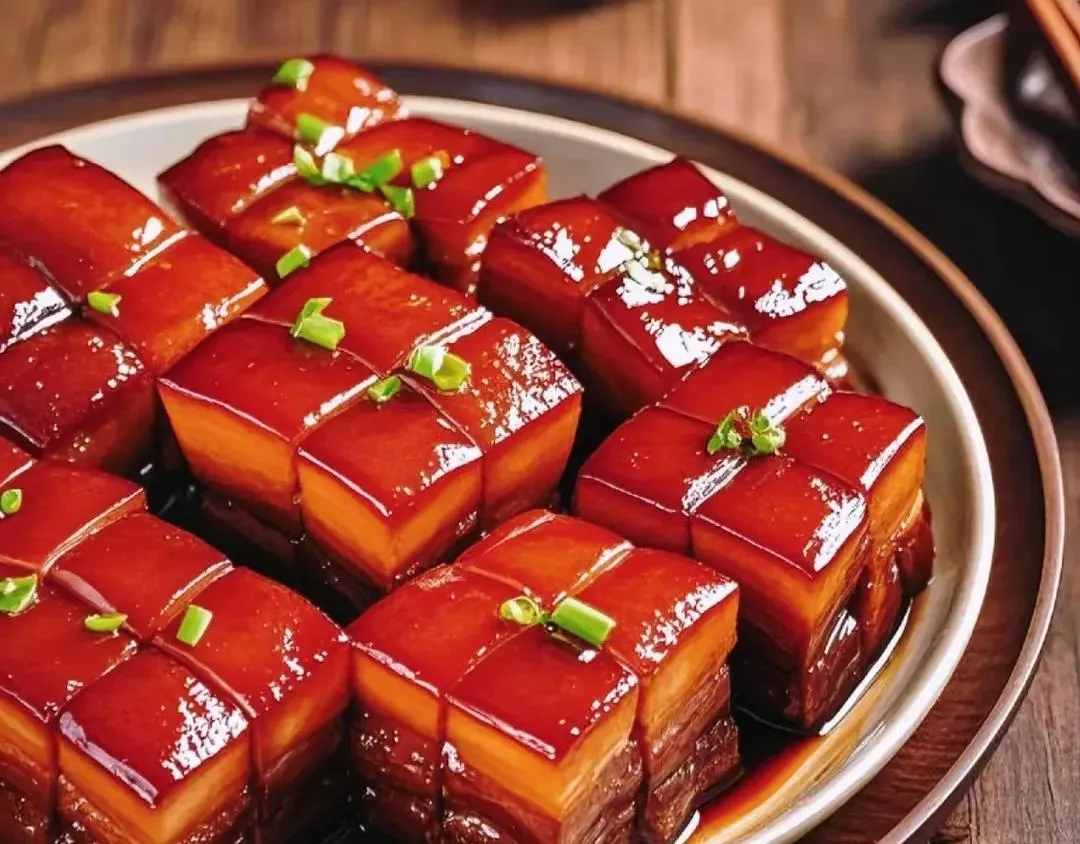
Hangzhou cuisine (杭帮菜, Hángbāng Cài) is sweet-sour Jiangnan cooking — Dongpo pork, West Lake vinegar fish, Beggar's chicken — best tasted near West Lake and Hefang Street anchors, not as chili-forward Sichuan heat. Order mandarin fish when you can; expect mid-range classic-dish meals roughly ¥120–200 per person.
What should you order first?
Start with Dongpo Pork (东坡肉): thick pork belly sealed with Shaoxing wine, dark soy, and rock sugar in a clay pot until the fat melts and the wine cuts the grease. Add West Lake Vinegar Fish (西湖醋鱼) when the kitchen does it right — silky flesh under sharp-sweet vinegar — and Beggar's Chicken (叫花鸡) if you want the clay-crack ritual and lotus-leaf steam. These three are the Hangbang Cai argument in edible form.
Why is Hangzhou food sweet-sour, not spicy?
When the Song court fled south in 1127, chefs and refined palates resettled here. The kitchen values subtlety over spice, clarity over heavy oil. Su Dongpo's name on the pork is not brochure fluff alone — it ties the dish to a poet-governor who also dredged the lake. The kitchen coaxes ingredients rather than burying them in chili heat.
How do you avoid tourist-trap vinegar fish?
Locals debate West Lake Vinegar Fish constantly, and many tourist traps get it wrong. Ask for mandarin fish (桂鱼) or sea bass (鲈鱼) if offered; traditional grass carp can be bony and earthy when rushed. Use neighborhood anchors — Lou Wai Lou (楼外楼) on Gushan Road and Zhi Wei Guan (知味观) near Wushan / Hefang as traditional reference points — not every "Hangzhou specialties" neon board on Hefang's main strip.
When and where should you eat?
Year-round. Classic tables cluster along the West Lake shore (Gushan / lakeside) and old commercial lanes around Hefang Street (河坊街). Soft pair a lakeside lunch with a causeway walk or an evening Grand Canal hop — keep the meal the point, not a city roundup. Mid-range classic-dish meals commonly land around ¥120–200 per person.
Hours, tickets, and how to get there?
Use neighborhood anchors, not invented shop hours. Municipal tourism pages name long-running houses such as Lou Wai Lou and Zhi Wei Guan (see e.g. Hangzhou Culture & Tourism English notes at wgly.hangzhou.gov.cn for Lou Wai Lou — checked October 2026). Family-style chains such as Grandma's Home (外婆家) appear widely for consistent mid-range plates. Individual restaurant open/close times are not standardized on a single official https timetable — confirm the branch in front of you the day you go.
Take Metro Line 1 to Longxiangqiao (龙翔桥) or Dingan Road (定安路) for lakeside and Hefang walking access.
Who is this for — and who should skip?
Come if you want sweet-sour patience and Song-court stories on the plate. Skip if you chase dry chili heat or fifteen-minute street-skewer dinners. Order the clay-pot pork first so the vinegar fish has a standard to beat.
More from Hangzhou
- history / 5 min readAn exploration of how legend and literature built West Lake, from the tragic spirits of Leifeng Pagoda to the rain-soaked stones of the Broken Bridge — with verified pagoda hours and free lakeside access.
- history / 5 min readVenturing 5,000 years into China's past through the massive hydraulic engineering and intricate jade carvings of the Liangzhu ruins — free museum, ticketed park, Metro Line 2 plus shuttle.
- food / 6 min readHigh in the hills of Meijiawu, the spring race to pick and fire Hangzhou's legendary tea begins before the April rains — free terraces, harvest season, and a clear scam warning.