Buddhas in the Forest: The Stone Carvings of Feilai Feng
Wander through the mossy stone grottoes of Feilai Feng and the halls of Lingyin Temple — free since December 2025 with mandatory real-name reservation — to trace the artistic evolution of China's Buddhist carvings.
Published
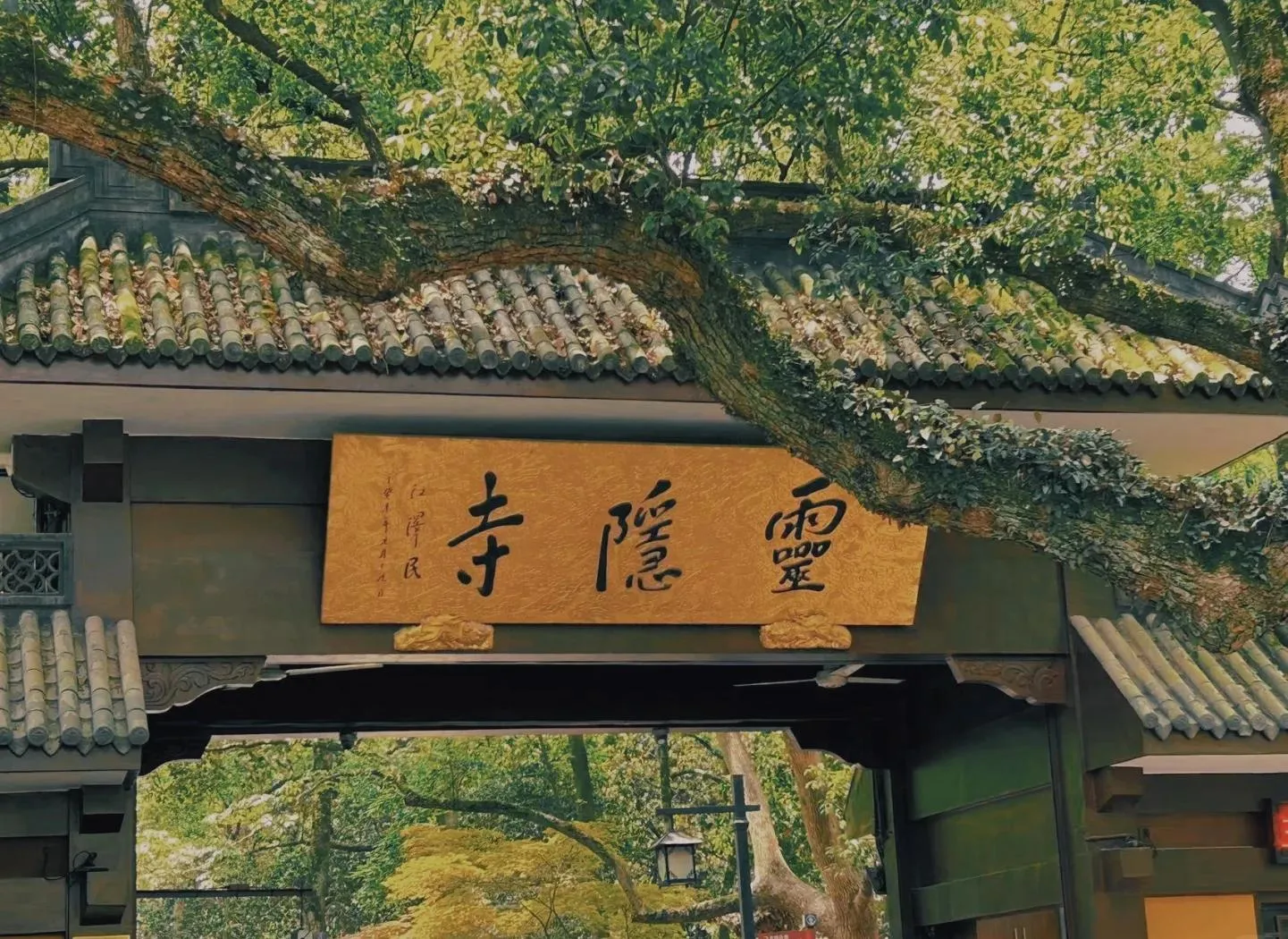
Feilai Feng (飞来峰) and Lingyin Temple share one free scenic reservation west of West Lake: mossy limestone Buddhas along the creek, then incense-heavy temple halls across the bridge. Book the Hangzhou Lingyin Feilai Peak WeChat or Alipay mini-program at least a day ahead — walk-in registration ended February 2026 — and come at opening for quiet grottoes.
What do you actually see?
Over three hundred Buddhist reliefs cling to Feilai Feng's limestone cliffs and hide inside mossy grottoes — Wuyue slim figures under ferns, then fleshier Yuan carvings, crowned by the laughing Maitreya with his bulging belly. Cross the stone bridge into Lingyin: yellow-walled halls, camphor-wood Buddha, bronze censers, and the damp climb to higher courtyards. The Thread of Light Cave squeezes you toward a blade-wide strip of sky.
Why carve Buddhas into a "peak that flew hither"?
Local lore says an Indian monk named Huili declared the jagged limestone had flown from India. What matters on the ground is the timeline under your boots: tenth-century Wuyue dignity giving way to fourteenth-century Yuan flesh and grin. Lingyin, founded in 326 AD and rebuilt at least sixteen times, is the incense counterpart — a living temple, not a carving gallery alone. Walk the creek first so the stone figures read before the megaphone groups.
How is this different from a lakeside temple stop?
This is a mountain valley of wet limestone and cedar smoke, not a West Lake pavilion checklist. Without a timed reservation you do not enter — free does not mean walk-up. The disappointed visitor usually treated "Lingyin" as a photo stamp and never walked the grotto path or the higher Yongfu hillside quiet.
When should you go, and how long?
Spring and autumn keep the valley cooler. Go for the 07:30 opening if you can; by mid-morning the creek paths choke with groups. Plan a half day: Feilai Feng grottoes first, Lingyin halls, then optional Yongfu or Taoguang higher up on the same reservation. Soft pair the afternoon with a West Lake causeway walk rather than stacking Liangzhu the same morning.
Hours, tickets, and how to get there?
Important — free entry with mandatory reservation (since 1 December 2025): Per the temple's English notices at en.lingyinsi.org and the February 2026 on-site-registration suspension note at en.lingyinsi.org (checked October 2026), Feilai Peak Scenic Area — including Lingyin, Yongfu, and Taoguang Temples — is free, but you must hold a real-name timed reservation. Book the mini-program "杭州灵隐飞来峰" / "Hangzhou Lingyin Feilai Peak" on WeChat or Alipay at least one day ahead (up to seven days; slots open at 08:00 Beijing time). Passport holders may reserve with passport details. Morning slot 07:30–12:00; afternoon 12:00–17:00. Scenic hours 07:30–17:30; verification closes 30 minutes before closing. From 1 February 2026, on-site registration windows are closed — if your date is full, join the online waitlist in the same mini-program by 20:00 the day before. Bring the matching original ID.
Take Bus 7 from Hangzhou Railway Station or lakeside stops toward Lingyin, or ride Metro Line 3 / Line 10 to Huanglong Sports Center (黄龙体育中心站) and transfer to the scenic shuttle toward the valley. Confirm shuttle boards same-day — routes shift with crowd control.
Who is this for — and who should skip?
Come if you want Buddhist carving texture and mountain incense, and you will book a day ahead. Skip if you refuse WeChat/Alipay reservations or only want a five-minute gate selfie. Start at the creek grottoes so the laughing Maitreya arrives after the quiet stone, not after the crowd.
More from Hangzhou
- history / 5 min readAn exploration of how legend and literature built West Lake, from the tragic spirits of Leifeng Pagoda to the rain-soaked stones of the Broken Bridge — with verified pagoda hours and free lakeside access.
- history / 5 min readVenturing 5,000 years into China's past through the massive hydraulic engineering and intricate jade carvings of the Liangzhu ruins — free museum, ticketed park, Metro Line 2 plus shuttle.
- food / 6 min readHigh in the hills of Meijiawu, the spring race to pick and fire Hangzhou's legendary tea begins before the April rains — free terraces, harvest season, and a clear scam warning.