Poetry and Pixels: Live-Streaming in the Silicon Valley of China
Explore Dream Town, where young live-streamers and tech startups work inside restored ancient granaries — free public campus, Metro Line 5 Liangmu Road, weekday digital pulse.
Published
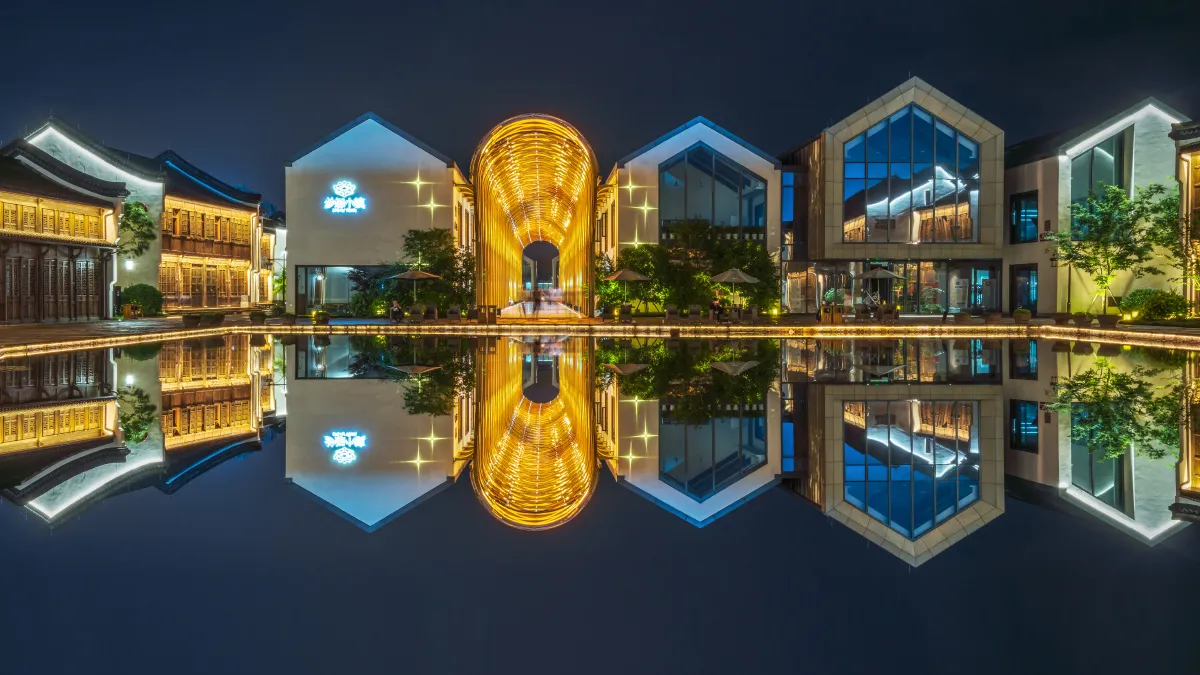
Dream Town (梦想小镇, Mèngxiǎng Xiǎozhèn) in Hangzhou's western tech corridor is a free canal campus of restored Qing granaries where live-streamers and startups work beside brick and willow — not a ticketed theme park. Take Metro Line 5 to Liangmu Road and walk the public courtyards on weekday afternoons when studios and cafes are active.
What do you actually see?
Restored nineteenth-century granaries, black-tiled roofs, and stone archways sit over calm canals. Inside the brick shells: servers, ring lights, and young hosts selling coats and cosmetics to phone screens. Outside: delivery drones, QR-code noodle shops, and street sweepers with laminated payment badges. The campus feels like a stage set for the cashless economy, not a museum of Alibaba history.
Why put live-streaming inside old granaries?
Hangzhou is Alibaba's birthplace and runs a City Brain that coordinates traffic and buses in real time. Dream Town makes that hybrid visible: canals once moved grain and silk; digital channels now move code, pixels, and payments. The tech does not feel pasted on — it has grown into the brickwork. Sitting by the canal watching programmers argue under a willow is the visit's point, not a factory tour.
How is this different from West Lake Hangzhou?
West Lake sells mist and poetry. Dream Town sells weekday digital pulse. There are no English museum labels, no HQ lobby passes, and no quiet classical water-town without ring lights. If you only want willows and pagodas, stay lakeside. If you want to feel how Hangzhou actually earns its "Silicon Valley of China" nickname, this free campus is the clearer half-day.
When should you go, and how long?
Spring and autumn (roughly March–May and September–November) keep outdoor walking pleasant. Weekday afternoons into early evening (roughly 14:00–19:00) are when coworking spaces and live-stream rooms feel most alive; weekends can feel quieter. Plan one to two hours for courtyards and canal loops — longer if you sit for coffee. Pair lightly with a Grand Canal water-bus ride rather than forcing a West Lake same-day sprint.
Hours, tickets, and how to get there?
Public outdoor lanes, canal walks, and restored granary exteriors are free — an open innovation campus, not a gated park. Individual exhibition halls and historic residences inside the wider Future Science City cluster sometimes post separate hours (travel platforms often cite roughly 09:00–16:30 and Monday closures for ticketed rooms) — confirm on-site boards; there is no single museum-style official https timetable for every courtyard stall. Municipal context for the Yuhang Dream Town project appears on Hangzhou government English pages such as ehangzhou.gov.cn (checked October 2026).
Take Metro Line 5 to Liangmu Road Station (良睦路站); walk north along Liangmu Road about ten minutes to the main public entrance. Address commonly listed as 1399 Liangmu Road, Yuhang District. Bring working WeChat Pay or Alipay linked to an international card if you can; many vendors keep no cash drawer.
Who is this for — and who should skip?
Come if you want Hangzhou's cashless, live-stream present beside Qing brick. Skip if you expect Alibaba HQ tours, quiet classical alleys without ring lights, or English interpretive galleries. Start on a weekday afternoon so the studios are working, not empty for photos.
More from Hangzhou
- history / 5 min readAn exploration of how legend and literature built West Lake, from the tragic spirits of Leifeng Pagoda to the rain-soaked stones of the Broken Bridge — with verified pagoda hours and free lakeside access.
- history / 5 min readVenturing 5,000 years into China's past through the massive hydraulic engineering and intricate jade carvings of the Liangzhu ruins — free museum, ticketed park, Metro Line 2 plus shuttle.
- food / 6 min readHigh in the hills of Meijiawu, the spring race to pick and fire Hangzhou's legendary tea begins before the April rains — free terraces, harvest season, and a clear scam warning.