China Train Numbers Reform Nov–Dec 2026 — What Changes on 12306
China Railway renumbers trains in two batches — late November 2026 for conventional and freight, late December for high-speed — adds an X prefix for Fuxing over 350 km/h, and keeps routes and times on the current diagram.
Published
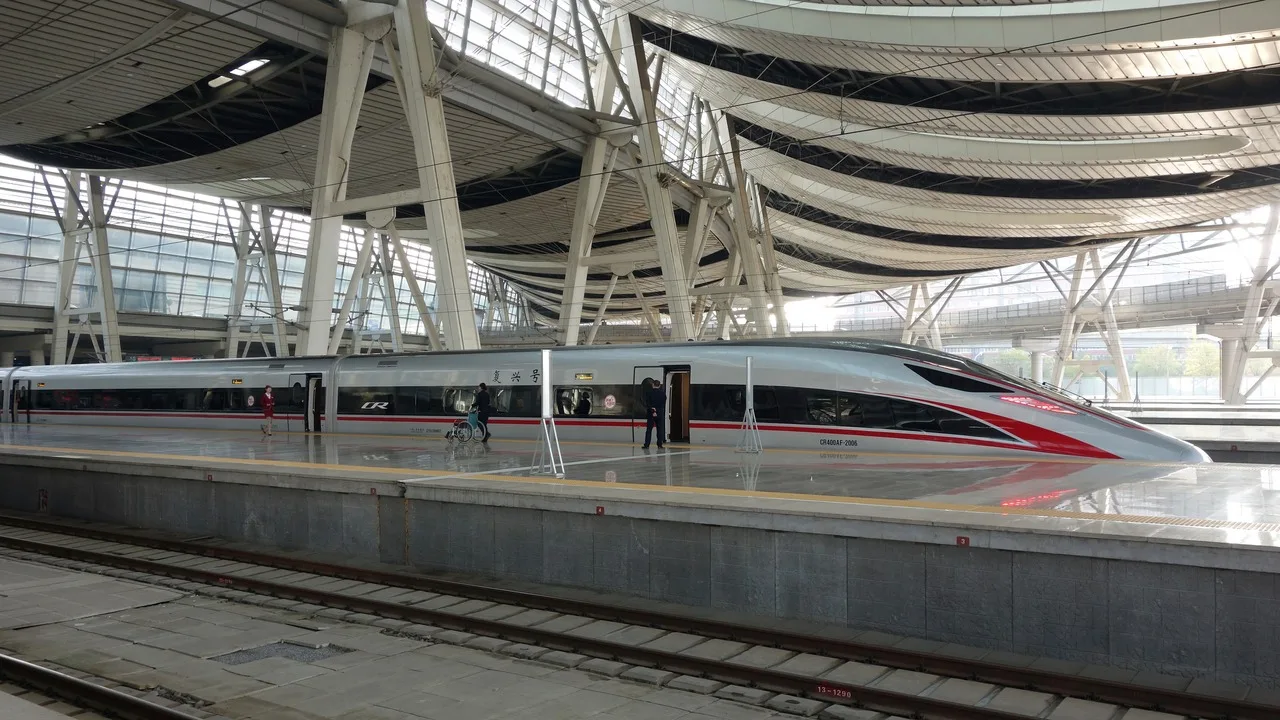
China State Railway Group renumbers national trains in two batches: late November 2026 for conventional passenger, tourist, and freight, and late December for high-speed, EMU-sets, intercity, suburban, and EMU freight. New X (xin, 新) marks Fuxing trains over 350 km/h. Routes and times stay on the current diagram; only the printed number changes until later revisions.
When do the two batches actually land?
Xinhua (16 October 2026), citing China State Railway Group (国铁集团), splits the work cleanly. Late November covers conventional-speed passenger trains, tourist trains, and freight. Late December covers high-speed services, power-concentrated EMU sets (动集), intercity and suburban/city-domain trains, plus EMU freight. The November batch does not put the new X prefix onto high-speed trains yet — those letters move in the December batch.
Shanghai Railway newspaper 《上海铁道》(13 October 2026 issue), as reported by The Paper / Phoenix reprints, gives tighter Phase-1 clocks for the Shanghai bureau rollout: 24 November 18:00 for freight, military, and many work trains; 25 November 00:00 for conventional passenger, conventional tourist, return-trip passenger trains, and express freight consists. Treat those clock times as bureau-reported detail; if your ticket or 12306 screen disagrees, the live system wins. December’s high-speed cutover is still described nationally as “late December,” without a single public clock hour in the Xinhua brief.
What does the new X prefix mean — and what happens to G, T, and K?
After the full reform, passenger letter meanings (Xinhua / china-railway.com.cn / chinanews) look like this:
| Letter | Read as | After reform | | --- | --- | --- | | X | xin 新 | Fuxing EMU with top speed over 350 km/h; numbers X1–X9998 | | G | — | Fuxing EMU rated 350 km/h | | T | — | EMU rated 300 km/h | | K | — | EMU rated 200–250 km/h | | D / C / S | — | Power-concentrated EMU sets / intercity / suburban (city-domain) | | Z / N / V | — | Conventional passenger bands at different speed grades | | Y | — | Conventional tourist trains | | B | ban 班 | Freight express consists (班列) | | DH | dong huo 动货 | EMU freight |
Two traveler traps. First: old muscle memory lies. Historically many foreigners learned “G = high-speed, D = slower EMU, T/K = conventional express.” After the reform finishes, T and K become EMU speed bands, and conventional services sit under Z / N / V / Y. Second: X is not a November high-speed surprise. Until the December batch, you should not expect X numbers on the high-speed board just because the national announcement already defined the letter.
China Railway’s own framing: more train paths and peak-holiday G-number congestion left letter capacity thin (G numbers used over 90% of available slots in some peaks). Expanding EMU letter stock by nearly 40% is the operational reason; the traveler-facing reason is simpler — the letter on your ticket will mean a different speed class than the letter you memorized from a 2019 guidebook.
Do routes and times change with the new numbers?
No — not in this renumbering step. The Xinhua / State Railway brief is explicit: after the number change, running sections and departure/arrival times still follow the current operating diagram. Only the train number string changes. Later diagram revisions can still move times the usual way; this announcement is not itself a nationwide timetable rewrite.
Practical reading on a 12306 ticket or e-ticket screen: match date + origin + destination + departure time first, then confirm the new number against the station board. If you only search by an old number you saved in a notes app, you may find nothing — or worse, a different train that reused a familiar-looking code later.
How should foreigners use 12306 during the transition?
Use the same official channels as for ordinary booking — English 12306, the Railway 12306 app, a station window, or an authorized agency — and re-check any ticket bought before a batch cutover. For passport registration, e-ticket gates, and the October 2026 Beijing–Shanghai reservation-window change, see how foreigners book on 12306. Set up mobile payment before a busy sale morning if you plan to buy or change tickets in the app.
During the window, railway messaging (relayed in the same Xinhua coverage and bureau reports) is blunt: check 12306 and station boards carefully so you do not buy or board the wrong number. Arrive with more buffer than usual at big hubs such as Beijing South (北京南站). If an automatic gate or a display looks inconsistent with your screenshot, use a staffed lane and show the passport used for the booking.
I have watched travelers at Beijing South chase a remembered G-number down the wrong platform when the board had already flipped; the safe habit is time-first, letter-second.
Who is this for — and who should ignore the letter drama?
Read this if you will buy or ride Chinese trains between late November 2026 and early 2027, especially if you keep old G/D/T/K cheat-sheets or screenshots of favorite train numbers. Skip the deep letter table if you only take one short ride and will buy same-day at a window with your passport — staff and the live board will show the number that day. This piece is not a seat-booking tutorial and not a promise that your favorite overnight Z-train keeps the same letter forever.
Checked 28 October 2026 (Asia/Shanghai). National facts: Xinhua 16 October 2026, china-railway.com.cn reprint, chinanews 16 October 2026. Phase-1 clock detail: 《上海铁道》13 October 2026 via The Paper / Phoenix reprints. 12306 and station announcements win when anything conflicts.
Cover photo: Tyg728 / Wikimedia Commons (CC BY-SA 4.0)
More from Beijing
- history / 5 min readDiscover the cosmic architecture and dynastic politics of China's imperial heart, escaping the tourist corridors to explore the quiet western chambers and halls — with verified Palace Museum hours and booking.
- history / 5 min readUnveil the blue-glazed tiles and imperial ritual architecture of the Temple of Heaven — park vs combo tickets, monument hours, and Tiantandongmen metro.
- food / 5 min readPeking roast duck is a meticulously choreographed performance of fire, steel, and taste — Qianmen and Hepingmen area anchors, no invented restaurant hours.