Silent Echoes of the Son of Heaven: The Sacred Geometry of the Temple of Heaven
Unveil the blue-glazed tiles and imperial ritual architecture of the Temple of Heaven — park vs combo tickets, monument hours, and Tiantandongmen metro.
Published
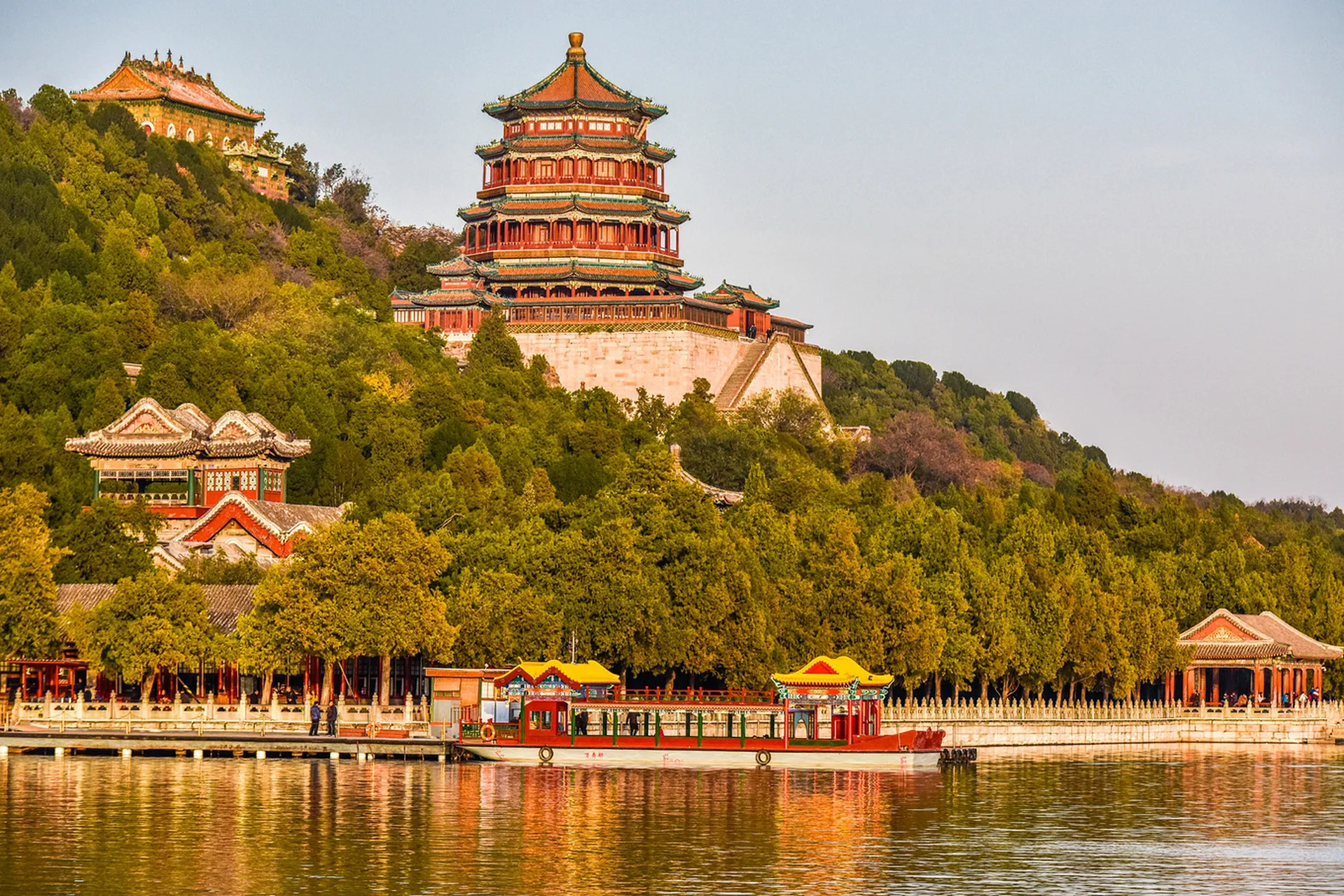
Temple of Heaven Park (天坛, Tiāntán) is where Ming and Qing emperors prayed for harvest under circular blue roofs and square-earth geometry. Come early for local morning exercises under the long corridor, then walk the Hall of Prayer and Circular Mound — park grounds stay open late; the monument sites need a combo ticket and close earlier.
What do you actually see?
Inside the Hall of Prayer for Good Harvests (祈年殿), vermillion pillars and interlocking wooden rafters spiral toward a carved dragon — no nails, steel brackets, or glue. Walk the red-walled Danbi Bridge (丹陛桥), rising gently south to north as the emperor's ascent from earth to heaven. At the southern end, the Circular Mound Altar (圜丘坛) is a three-tiered white marble terrace open to the sky; stand on the Heart of Heaven slab and your voice echoes strangely off the balustrades. Ancient cypresses, some over six hundred years old, canopy the park.
Why circular roofs and square walls?
In traditional Chinese cosmology, heaven is circular and earth is square. Northern park walls curve for heaven; southern walls sit flat and square for earth. Built in 1420, this was the spiritual anchor while the Forbidden City was the political center — the Son of Heaven communicating with cosmic order on behalf of his subjects. The acoustics at the Circular Mound were engineered as physical proof that heaven was listening.
How did imperial solitude become a living neighborhood park?
Common people were once banned from this sacred space. Today, arrive at the long wooden corridors around 08:30 on a weekday: retirees play cards and chess, women dance to portable speakers, men practice water calligraphy on granite. That warm community life stands in human contrast to cold monumental scale — the democratic afterlife of a ritual machine.
When should you go, and how long?
September to November and March to May are kinder walking seasons. Aim for 08:00–10:00 for cool light and peak corridor life before tour buses thicken. Plan a half morning for park plus monuments.
Hours, tickets, and how to get there?
Municipal visitor guide: english.beijing.gov.cn — Temple of Heaven (checked October 2026). Park gates peak (1 Apr–31 Oct): 06:00–22:00, last entry 21:00; off season (1 Nov–31 Mar): 06:30–22:00, last entry 21:00. Monument sites (Hall of Prayer, Echo Wall area, Circular Mound, and related ticketed yards): peak 08:00–18:00 (last entry 17:30), off 08:00–17:00 (last entry 16:30); those sites are closed Mondays except statutory holidays — on a Monday, buy park-only and enjoy the corridors.
Park admission ¥15 peak / ¥10 off; combo ticket (park plus the three main monument areas) ¥34 peak / ¥28 off. Foreign visitors can book on the WeChat account Temple of Heaven Official Ticketing Platform with passport. Take Metro Line 5 to Tiantandongmen (天坛东门), Exit A, at the East Gate; Line 8 Tianqiao (天桥) Exit C also serves the park.
Who is this for — and who should skip?
Come for blue-roof geometry and morning corridor life. Skip if you land on a Monday expecting open monument halls, or if you only want a quick exterior photo without walking the mound and bridge. Soft neighbors: Forbidden City for political order, Summer Palace for landscape retreat.
More from Beijing
- history / 5 min readDiscover the cosmic architecture and dynastic politics of China's imperial heart, escaping the tourist corridors to explore the quiet western chambers and halls — with verified Palace Museum hours and booking.
- food / 5 min readPeking roast duck is a meticulously choreographed performance of fire, steel, and taste — Qianmen and Hepingmen area anchors, no invented restaurant hours.
- food / 5 min readWalk through the alleyways of Dongcheng to discover smoky breakfast griddles and zhajiangmian — area anchors around Beiluoguxiang and Huguosi, no invented shop hours.