Waters of Tranquility: A Day in the Imperial Gardens of the Summer Palace
A slow escape to the grand imperial gardens of the Summer Palace, where Kunming Lake reflects the elegant pavilions of Longevity Hill — with verified park hours, combo tickets, and Beigongmen metro.
Published
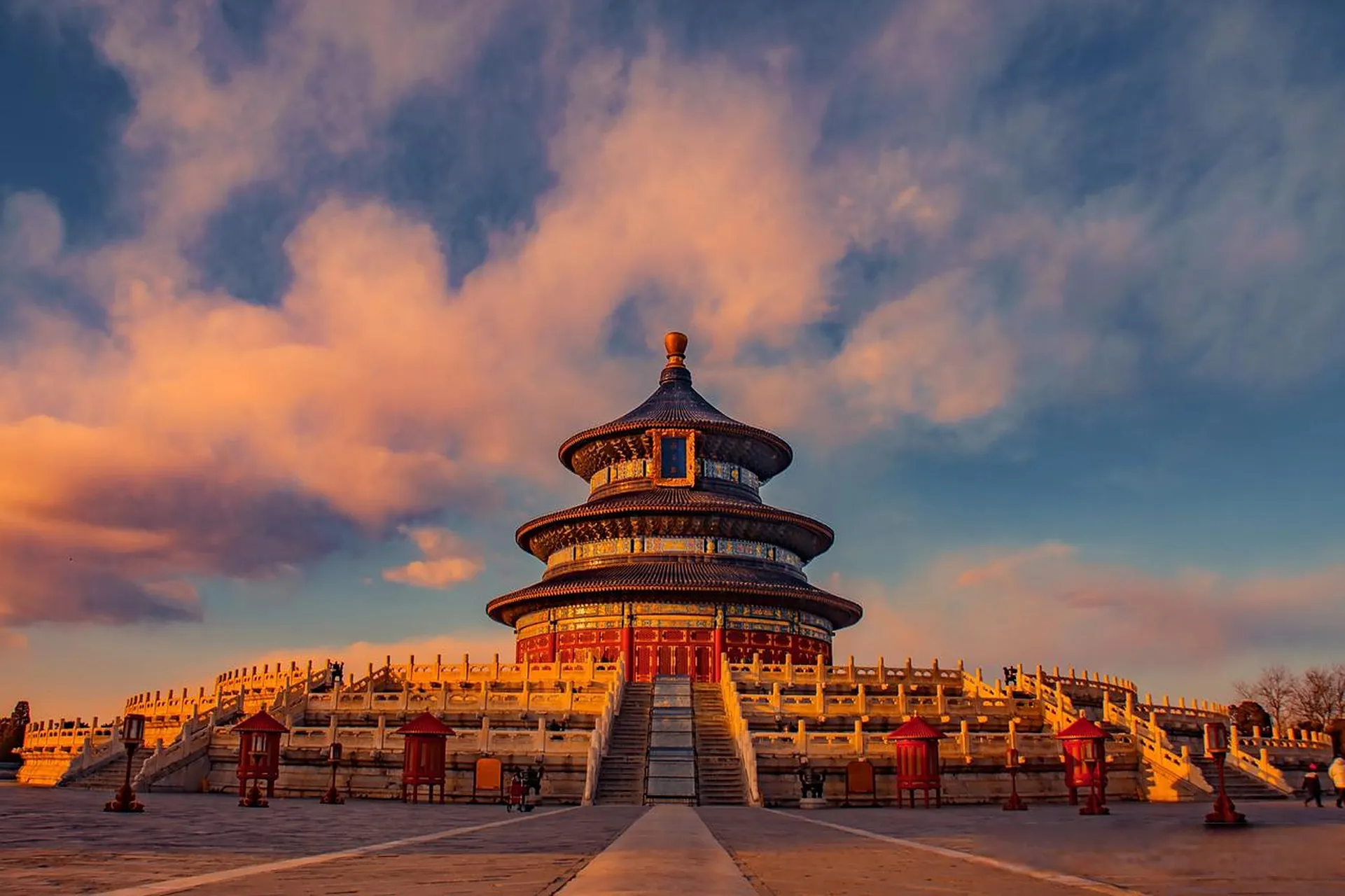
The Summer Palace (颐和园, Yíhéyuán) northwest of central Beijing is an imperial landscape garden of Kunming Lake and Longevity Hill, not a tidy palace courtyard. Walk the Long Corridor, climb toward the Tower of Buddhist Incense, and skim the lake by boat when weather allows — more water and borrowed hills than rigid imperial grid.
What do you actually see?
Kunming Lake (昆明湖) occupies about three-quarters of the grounds; on a clear day it reflects the Western Hills (西山) miles west — jie jing (借景), borrowed scenery that makes the park feel infinite. Longevity Hill (万寿山) was piled from excavated lake soil; halfway up, the Tower of Buddhist Incense (佛香阁) rises on a massive stone base above yellow glazed tiles sliding toward the water. The Long Corridor (长廊) stretches 728 meters with thousands of painted mythological scenes; older locals play cards and sing opera on the benches. The Stone Boat (石舫) of 1755 sits immovable on the shallow bed — a visual joke about eternal dynastic stability. The Seventeen-Arch Bridge (十七孔桥) carries carved stone lions toward South Lake Island.
Why does this garden feel different from the Forbidden City?
The Forbidden City is a rigid symmetrical grid; the Summer Palace is curves, slopes, and reflections — a Qing retreat from stifling palace heat. The lake was shaped to mimic Hangzhou's West Lake. Every pavilion and bridge is positioned to frame water and hills. Inside the walls the water holds quiet; the city waits just outside.
How long does a full circuit take?
A full day of hill, corridor, and lake is realistic if you climb and boat. Enter North Gate, climb Longevity Hill, then boat across Kunming Lake when ferries run (typically mid-March to mid-November; weather can suspend service). Strong legs help on the stone paths through cypress and pine.
When should you go?
March to May and September to November are the kindest walking seasons — kinder than midsummer heat or deep winter wind off the water.
Hours, tickets, and how to get there?
Official park site: summerpalace.net.cn; municipal visitor guide: english.beijing.gov.cn (checked October 2026). Park gates peak season (1 Apr–31 Oct): 06:00–20:00, last entry 19:00; off season (1 Nov–31 Mar): 06:30–19:00, last entry 18:00. Garden-within-the-garden sites (Tower of Buddhist Incense, Suzhou Street, and related paid yards) run shorter hours — municipal pages list roughly 08:00–18:00 peak / 08:30–17:00 off, last entry 30 minutes earlier, and closed Mondays except statutory holidays; confirm on the park site the day you go.
Admission ¥30 peak / ¥20 off; combined ticket (park plus paid inner spots) ¥60 peak / ¥50 off. Book via the Summer Palace WeChat account with passport, or buy at gate windows when capacity allows. Take Metro Line 4 to Beigongmen (北宫门) for the North Palace Gate (short walk west), or Xiyuan (西苑) for the East Gate.
Who is this for — and who should skip?
Come for water, borrowed hills, and a long shady corridor — not a single throne-room climax. Skip if you need a short indoor museum loop or refuse hills. Soft neighbors: the Forbidden City for rigid imperial order, Temple of Heaven for ritual geometry elsewhere in the capital.
More from Beijing
- history / 5 min readDiscover the cosmic architecture and dynastic politics of China's imperial heart, escaping the tourist corridors to explore the quiet western chambers and halls — with verified Palace Museum hours and booking.
- history / 5 min readUnveil the blue-glazed tiles and imperial ritual architecture of the Temple of Heaven — park vs combo tickets, monument hours, and Tiantandongmen metro.
- food / 5 min readPeking roast duck is a meticulously choreographed performance of fire, steel, and taste — Qianmen and Hepingmen area anchors, no invented restaurant hours.