Stone and Wilderness: Hiking the Crumbling Slopes of the Wild Great Wall
Jiankou is not an opened Great Wall scenic section — do not plan to climb it. Mutianyu is the real visit product; municipal rules dissuade climbing unopened stretches.
Published
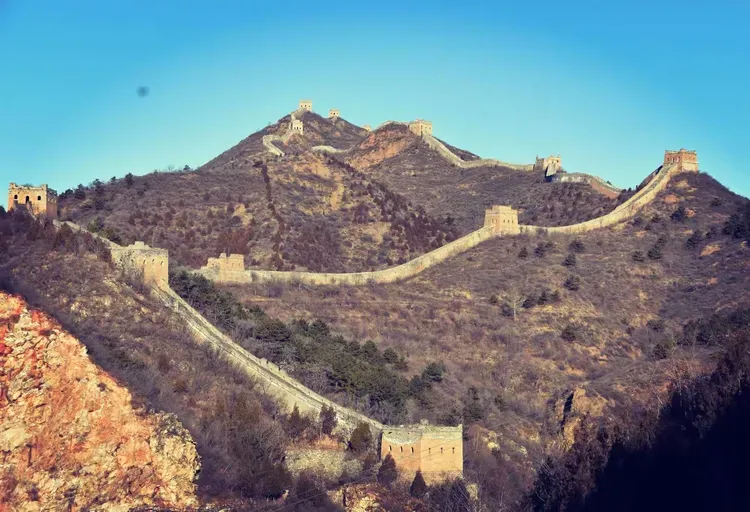
Jiankou (箭扣, Jiànkòu) is an unrestored Ming Great Wall ridge north of Beijing — and it is not an opened scenic section. Do not plan to climb it. Under Beijing's Great Wall Protection Ordinance (《北京市长城保护条例》, effective 2026-03-01), unopened stretches are managed to dissuade climbing, and organized activity on wall that has not been opened as a visit area is prohibited. The actual visit product here is Mutianyu — a ticketed, maintained Ming section with cable car and posted hours.
Why does "wild wall" photography still circulate?
Restored sections sell smooth granite and railings. Photos of Jiankou show loose brick, collapsed towers, and pines growing out of ramparts — three centuries of neglect, no souvenir stalls. That look is why the ridge stays famous online. It is also why it is not a tourist product: heritage management treats non-opened wall as protected fabric to keep people off, not a scramble route to advertise.
What does the ordinance change for visitors?
Soft status (checked October 2026): Jiankou has no stable official https visitor page, no ticket booth that makes climbing legal, and no guarantee you will be waved through. District heritage offices put warning signs on approaches to non-visit stretches and may use electronic fences and patrols to prompt risk and turn people back. Chinese heritage rules already banned organized commercial climbs on non-opened wall; the 2026 municipal ordinance reinforces that frame in plain terms — do not treat "wild wall" Instagram as a green light. Hiking operators have reported the Jiankou–Mutianyu traverse permanently blocked at the Mutianyu border (Tower 23) from August 2025 — do not plan a through-hike from wild ridge into Mutianyu.
What should you visit instead?
For a maintained, ticketed Ming section with cable car and posted hours, use Mutianyu Great Wall — official English info at en.mutianyugreatwall.com (checked October 2026). Peak-season cable-car / park windows are widely posted roughly 07:30–18:00 (weekends often later); real-name booking required. Confirm adult entry and cable-car packages on the official reservation pages the week you travel. A paced multi-day frame that uses Mutianyu is in the three-day Beijing itinerary.
When should you go to Mutianyu — and what baseline matters?
September to November and March to May are the kindest seasons for open-wall walking. Skip ice, snow, and high wind if you are unsure on steps. Mutianyu has posted facilities and rescue paths that wild stretches do not; that difference is the point of choosing an opened section.
How do you get to Mutianyu?
Mutianyu has its own shuttle and tour-bus options from Beijing — prefer the scenic area's published transfer info over any village trailhead rumor. There is no metro to the wall. Soft pair: keep Jiankou as a photo you may see in books, not a GPS pin for the day.
Who is this for — and who should skip?
Come for Mutianyu if you want Ming brick you are allowed to walk, with railings or cable car as needed. Skip any plan that treats Jiankou, Sky Stairs, or Xizhazi approaches as a how-to — that framing belongs to conservation warnings, not a day-trip checklist.
More from Beijing
- history / 5 min readDiscover the cosmic architecture and dynastic politics of China's imperial heart, escaping the tourist corridors to explore the quiet western chambers and halls — with verified Palace Museum hours and booking.
- history / 5 min readUnveil the blue-glazed tiles and imperial ritual architecture of the Temple of Heaven — park vs combo tickets, monument hours, and Tiantandongmen metro.
- food / 5 min readPeking roast duck is a meticulously choreographed performance of fire, steel, and taste — Qianmen and Hepingmen area anchors, no invented restaurant hours.